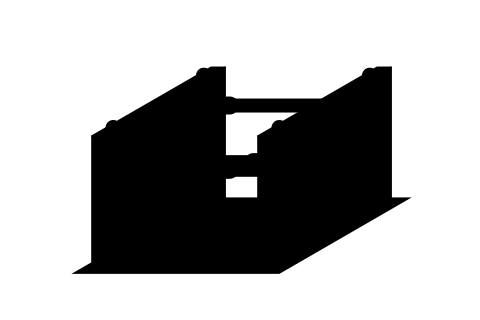
Preserve the marks as found
Capture the steel box as found. Photograph each end of the box, the full length and height of the trench box, every plate, stamp, stencil or bar code location, the spreader sockets, the pins and keepers present, the structural members, and any weld that does not look original. Transcribe legible characters exactly, including partial strings, and note where on the steel box each marking sits. Do this before anyone cleans, repaints, straightens or re-pipes the trench box, because those operations can remove the only detail a manufacturer would use to match the steel box to a serial record. Utility contractors should photograph several steel boxes and trench boxes before moving parts between trench boxes. [3] [4]
When a character is unreadable
An incomplete stamp can narrow a search without finishing it. Keep the unreadable character visible as a gap in the transcript; otherwise the reply may confirm the model you guessed rather than identify the box you have. [2] [3] [4]
Transcribe only the characters you can read and note where the mark appears. A photograph of the partial mark and views of the panels, spreaders and connections give the manufacturer more to work with than a guessed serial number. [1] [4]
Trace the unit to its own documents
Pipe arrangement shows why the serialized document matters. Pro-Tec Equipment describes steel boxes used as trench shields, built for four or five pipes, including a four-pipe pull arrangement with lower front spreaders for excavator boom clearance. Its engineer-stamped certification sheets require at least two steel spreader pipes on each end with the full set of approved pins and keepers, and direct owners of specially designed shields, or shields using other pipe specifications, to the sheet for that trench box. Those statements cover Pro-Tec's own line; they do not transfer to another publisher's trench box made of steel or tell an excavator operator how to position an excavator around a different box. [3]
Pacific Shoring publishes aluminum shoring data by product, but directs owners of its steel products to a client login for serial-specific data. The aluminum tables do not identify or rate an unidentified steel box. [4]
The regulatory reason for that care is explicit and centers on employee protection. Where a support, shield or other protective system for a trench is designed from manufacturer's tabulated data, the design must follow all manufacturer specifications, recommendations and limitations, and any deviation requires specific written approval. The written data for the box must be at the jobsite while the trench protective system is being built and available afterwards. A steel box that merely looks like a documented box has no such data behind it, and a photograph of a similar box does not supply the missing document. [2]
Repairs and modifications
Materials and equipment used in protective systems for a trench excavation must be free from damage or defects that could impair their proper function. When a steel box or other trench equipment is damaged, a competent person examines the box and evaluates whether the box is suitable for continued use; if that person cannot assure the box will support the intended loads, the box must be removed from service and evaluated and approved by a registered professional engineer before returning to the trench. That sequence belongs in the steel box record, because it is a determination someone has to make, not a box someone ticks. [2]
Describe visible welds, patches, replacement spreaders or corrosion without assigning them a capacity. Photograph the location and look for a repair history tied to the unit. Fresh paint may obscure markings or prior work. [3] [2]
The limits of a photograph
Photographs of trench boxes are essential for the box record and limited as evidence. A frame taken at the trench shows the surface appearance of a trench box at one moment. It does not establish steel grade, member thickness, weld procedure, length or the serial number behind the manufacturer's tabulated data for that steel box, and it cannot show whether the trench box was repaired after the picture. [3] [2]
What to send the manufacturer
Send the manufacturer the photos, legible marks, configuration and known repair history. Ask for a written match and the data applicable to that unit. A previous owner may be able to provide the original records. [4] [3]
Sources
- 29 CFR 1926.650: Scope, application, and definitions applicable to this subpartOccupational Safety and Health Administration
- 29 CFR 1926.652: Requirements for protective systemsOccupational Safety and Health Administration
- Steel Trench ShieldsPro-Tec Equipment
- FAQsPacific Shoring