Three properties, three limits
A metal’s properties can explain what to investigate without settling the result. For example, a surface film is a material behavior; the condition of the particular panel still has to be observed. The same distinction applies to density and the weight of a complete system. [2] [3] [4]
| Material property | What it suggests | What it cannot establish | Obtain for the actual unit |
|---|---|---|---|
| Density: about one-third that of iron or copper | Less mass for the same volume of material | Weight of an assembled shield or shore, including components of other materials | Configuration list and documented complete weight |
| Tensile strength varies with alloy and temper | Parts of similar appearance may have different material properties | Capacity of a component or the assembly; acceptability of a substitute | Identified part and applicable drawing, material specification and design data |
| Oxide film forms in oxygen and can reform after scratching | The surface has some natural resistance to corrosion | Absence of corrosion, deformation, cracking or other damage | Condition observations and applicable inspection criteria |
Lower density helps explain why an aluminum component may weigh less than a steel one of the same size. It does not give the weight of a complete shield. For that, use the parts and weight for the proposed build. [1] [2] [3]
Capacity belongs to the system
The design has to resist the loads that can reasonably be expected. When the design relies on manufacturer’s tabulated data, its specifications, recommendations and limitations apply; a deviation requires the manufacturer’s specific written approval. A tensile-strength value for the alloy supplies none of those configuration limits. [2] [3]
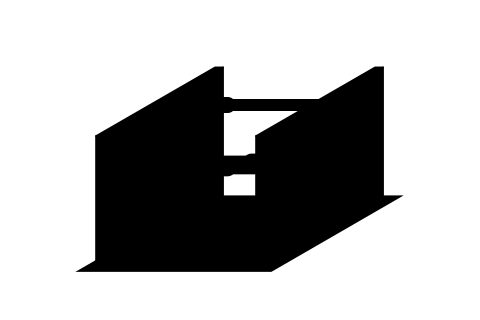
Surface appearance cannot establish structural condition. A reformed oxide film does not prove that an aluminum trench box or shield can support intended loads or protect workers from cave-ins. Those are equipment-safety questions for the assembled system, not conclusions from the surface finish. [4] [2]
Condition, repair and return to service
Record the marking, affected component and location of the observed damage, with dated photos and the matching drawing. Identify the instructions used to assess it. “Dent at the post connection” describes an observation; “suitable for the intended load” is a different decision. [2]
Efficiency Production's one-page aluminum repair document is useful as a dated named-manufacturer example, not as a universal procedure. It is identified as Revision Two, dated July 28, 2014, and its visible instructions include a reference to all applicable drawings and a direction to use only parts manufactured by or approved by the company. It also describes the contents as guidelines only. Those points show why exact drawings, part approval and the manufacturer's own scope matter. [5]
Under §1926.652(d)(3), a competent person examines damaged protective-system equipment and evaluates its suitability for continued use. If that person cannot assure it can support the intended loads or is otherwise suitable for safe use, remove it from service. A registered professional engineer must evaluate and approve it before it returns. Record the disposition and its basis separately from any cleaning or repair completed; a repair record is not itself a release. [2]
Sources
- 29 CFR 1926.650: Scope, application, and definitions applicable to this subpartOccupational Safety and Health Administration
- 29 CFR 1926.652: Requirements for protective systemsOccupational Safety and Health Administration
- Characteristics of AluminumKobe Steel, Ltd.
- Aluminium propertiesAustralian Aluminium Council
- Aluminum Welding Typical Instructions and Aluminum Skin Patching Instructions (Revision Two, July 2014)Efficiency Production, Inc.