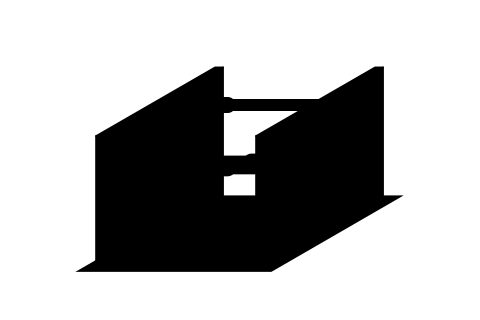
Which document defines the function of this unit?
If the delivery ticket says “aluminum shoring box,” ask which document defines the marked unit, its proposed configuration and its intended function. Does the system protect the people inside from cave-in forces, or does it support the excavation sides? Aluminum identifies a material. Box is a shape word, not a classification. [1]
A delivery ticket or photograph can help identify the equipment. Neither establishes its protective function, operating limits or required connections. [1]
The functional distinction in OSHA’s definitions
“Aluminum” answers a question about material. To classify a unit, read the verb in its documentation: does it withstand cave-in forces to protect people within, or support the excavation sides to prevent a cave-in? [1]
The definitions in 1926.650 treat a shield, or shield system, as a structure able to withstand the forces imposed on it by a cave-in and so protect employees inside it. A shield may be permanent or portable and moved along as work progresses, and it may be premanufactured or job-built under the protective-system provisions. The same section notes that trench shields are usually called trench boxes or trench shields, and its trench-box entry refers back to shield. [1]
Shoring, or a shoring system, is defined separately: a structure such as a metal hydraulic, mechanical or timber shoring system that supports the sides of an excavation and is designed to prevent cave-ins. Support system is broader, covering underpinning, bracing or shoring that supports an adjacent structure, an underground installation or excavation sides. Protective system is the umbrella term, and it includes support systems, sloping and benching, shield systems and other systems. [1]
Aluminum hydraulic shoring has its own definition: a pre-engineered shoring system of aluminum hydraulic cylinders, called crossbraces, used with vertical rails (uprights) or horizontal rails (wales), designed specifically to support the sidewalls of an excavation and prevent cave-ins. The term names that combination of parts and that purpose; an aluminum panel on its own does not meet the description. Until the record exists, describe the unit by model and leave the classification open. [1]
Match the documentation to what arrived
Photograph the manufacturer’s plate and record the model and serial or asset number as marked. A photograph can preserve a marking; it cannot establish a design load, identify the governing revision or demonstrate that the proposed assembly matches it. For example, a hydraulic member in a picture does not by itself establish that the assembly is designed to support the excavation sides. [1] [2]
Where the design follows manufacturer tabulated data, follow the manufacturer’s specifications, recommendations and limitations. A deviation requires the manufacturer’s specific written approval. Keep the written information at the jobsite during construction of the protective system. That requirement concerns the design record, not the description on the sales ticket. [2]
Sources
- 29 CFR 1926.650: Scope, application, and definitions applicable to this subpartOccupational Safety and Health Administration
- 29 CFR 1926.652: Requirements for protective systemsOccupational Safety and Health Administration